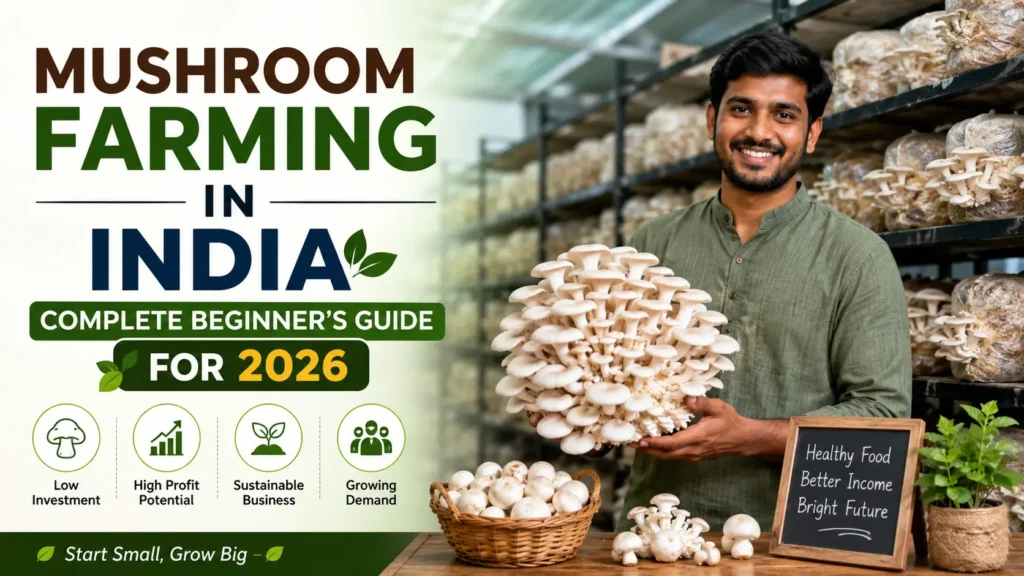
The mushroom farming process refers to mushroom growing for domestic consumption or commercial purposes in controlled settings. Unlike other plants which grow in the soil, mushrooms are cultivated from organic substrates such as straw, sawdust, compost or farm residues. Mushroom farming becomes a distinct field of agricultural science where specific conditions of temperature, humidity, ventilation, and cleanliness are required instead of vast expanses of arable land.
Currently, more and more people are interested in this business direction due to low requirements for land, fast production cycle, and profit generation possibilities. People all over the world cultivate mushrooms as an answer to ever-growing needs of healthy protein-based food.
This guide will acquaint you with what is mushroom farming, peculiarities of mushroom growing, benefits of this kind of business, varieties of mushrooms and stages of setting up the mushroom farm.
What Is Mushroom Farming?
Mushroom farming refers to the cultivation of mushrooms, whereby the optimum conditions are created for the development of fungi. While in other agricultural practices the seeds are planted, in mushroom cultivation the spawn is used. The spawn contains the living tissue of the fungus known as mycelium, which grows in the substrate before mushrooms can be harvested.
Contrary to vegetables or cereals, mushrooms do not undergo photosynthesis. They absorb nutrients from the breakdown of organic matter. This is why wheat straw, paddy straw, wood chips, coffee ground and compost are among the most common substrates used for their cultivation.
Here are different types of mushroom farming you need to explore:
- Home gardening
- Small scale commercial production
- Large scale commercial mushroom farms
- Organic and sustainable agriculture
Mushrooms grow in vertical position indoors, allowing the farmer to produce large amounts in small spaces.
How Does Mushroom Farming Work?
Despite the need for varied growing techniques among diverse mushrooms, the basic steps involved are the following.
1. Preparation of the Substrate
This serves as the source of nutrition to the mushroom. Depending on the mushroom type, the substrates that can be used include:
- Paddy straw
- Wheat straw
- Sawdust
- Compost
- Sugarcane bagasse
- Agricultural wastes
Pasteurization or sterilization of the substrate may be required to get rid of unwanted bacteria and fungi.
2. Inoculation
Inoculation involves the mixing of mushroom spawns into the prepared substrate. The spawn acts as the initial starter for the development of mushrooms.
3. Incubation
After inoculating the substrate, it is incubated in a dark and warm place while the mycelium grows through the substrate. It takes several weeks depending on the mushroom.
4. Fruiting
Once colonization is done, changes are made in terms of moisture content, new air supply, and light for the mushroom fruit body to form.
5. Harvesting
Harvesting involves removal of mature mushrooms by hand.
Common Types of Mushrooms Grown on Farms
Various types of mushrooms are adaptable to various climatic zones and cultivation procedures.
Oyster Mushrooms
Among the easiest mushrooms that can be cultivated by newbies are oyster mushrooms. Oyster mushrooms can grow on such materials as straw, agricultural waste, and sawdust.
Button Mushrooms
Button mushrooms are the most commonly eaten mushrooms around the world. Button mushrooms have compost-based substrates and are required to maintain specific environmental conditions.
Shiitake Mushrooms
Shiitake mushrooms are known for their unique taste and nutritional properties. Usually, shiitake mushrooms are cultivated on the basis of hardwood logs and supplemented sawdust blocks.
Milky Mushrooms
The ability to grow well in hot tropical climate zones makes milky mushrooms ideal for tropical areas.
Lion’s Mane Mushrooms
Nowadays, lion’s mane mushrooms are grown increasingly due to their appearance, taste, and popularity among healthy eating people.
Benefits of Mushroom Farming
Mushroom cultivation provides various benefits for small as well as large farmers.
Space Efficiency
Mushrooms can be cultivated in an indoor environment utilizing shelves and racks where more than one level of cultivation is possible.
Fast Harvesting Period
A lot of varieties of mushrooms can be ready for harvesting within just a few weeks. Thus, there can be multiple harvests within a year.
Uses Agricultural By-Products
Straw, sawdust, and agricultural by-products find use as substrates for growing mushrooms.
Revenue Prospects
Fresh mushrooms usually have good prices in the market. There can also be other sources of additional income from mushrooms that include drying and powdering the mushrooms or selling spawn or processed mushrooms.
Environmentally Friendly
Growing mushrooms ensures sustainable agricultural activities because mushrooms use organic by-products of agriculture and create less harm to the environment.
Conditions Required for Successful Mushroom Farming
The success of mushroom cultivation is based on the maintenance of an appropriate growth environment.
Some of the most essential elements are:
- Temperature
- High humidity
- Proper air circulation
- A clean environment
- Substrate
- Healthy mushroom spawn
- Proper lighting for fruiting in certain types of mushrooms
Even minor deviations from these parameters can have negative effects on the yield and quality, making environmental control one of the most critical aspects of mushroom cultivation.
Challenges in Mushroom Farming
Despite having a lot of advantages, one needs to be aware of the various problems that come with mushroom growing.
Some of the problems mentioned below:
- Contamination with bacteria or fungi
- Humidity control
- Temperature fluctuation
- Pest control
- Post-harvest storage
- Fluctuations in market price
These can be minimized with good hygiene and appropriate training.
Is Mushroom Farming Profitable?
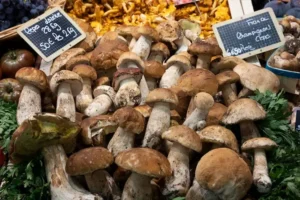
Many people wonder if mushroom cultivation is profitable.
Well, it all depends on these things:
- Size of production
- Type of mushrooms
- Market demand for the product
- Costs of production
- Quality of the produce
- Marketing techniques
Small-scale producers usually start off with growing oyster mushrooms due to lower investment costs. As they gain more experience, they can venture into cultivating special mushrooms or large-scale production.
Adding value to the mushroom products, such as dehydrated mushrooms, mushrooms powder, soup packets, and easy cook packs.
Tips for Beginners
If you’re new to mushroom farming, consider these practical tips on a priority basis:
- Start with beginner-friendly mushroom varieties.
- Buy quality mushroom spawn from reliable suppliers.
- Learn proper sanitation techniques.
- Monitor humidity and temperature daily.
- Keep detailed production records.
- Begin with a small setup before expanding.
- Learn from each growing cycle and continuously improve your process.
Patience and consistency are often more important than having expensive equipment.
Conclusion
Knowing what is mushroom farming would be the first step to delving into one of the fastest developing sectors of contemporary agriculture. Cultivating mushrooms on organic substrates as opposed to soil is an effective method of producing healthy food using minimal space and at the same time utilizing the waste products from agriculture.
Regardless of whether your interest in mushroom farming is for domestic production, generating additional income or launching your own mushroom enterprise, you will need to ensure that you cultivate in a clean environment and also select the correct mushrooms as well as monitor the temperature, humidity and ventilation requirements.
FAQs: What is Mushroom Farming all About?
What is Mushroom Farming: Definition
What is Mushroom farming typically refers to the process of growing edible or medicinal mushrooms using organic substrates like straw, compost, or sawdust under certain environmental conditions.
Do mushrooms grow in soil?
No. Most cultivated mushrooms do not grow in regular soil but grow on various nutrient-rich substrates.
What is the easiest mushroom to grow?
The most easily grown mushrooms are oyster mushrooms due to their fast growth rates and substrate adaptation capability.
How long does mushroom farming take?
The time it takes to grow mushrooms depends on the species and ranges from 3 to 8 weeks.
Can mushroom farming be carried out at home?
Yes. Home-based mushroom growing has become popular for many individuals.