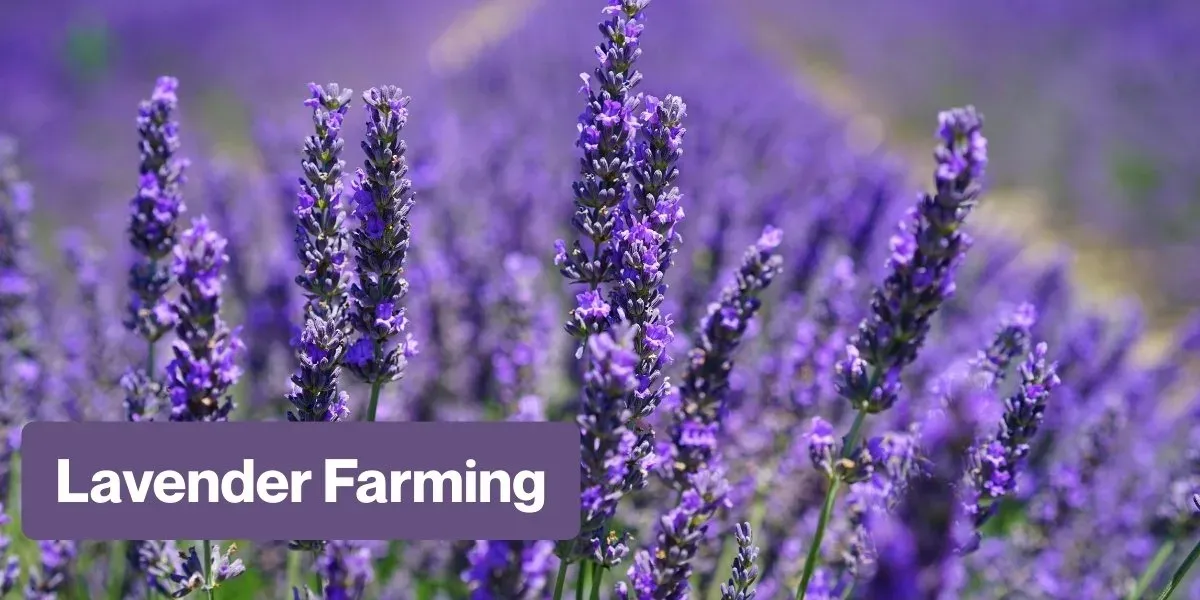
Lavender is a beautiful plant to experience while walking through a field full of blossoming lavender. In this article piece, we are going to explore how to start a lavender farm and also explore how, being a beautiful plant and having an enticing aroma, lavender is one of the profitable crops that can be sold as essential oil, cosmetic, tea, soap, perfume, decorative and well-being products.
The best part about growing lavender is the fact that you do not have to be on hundreds of acres of land in order to get started. In fact, many farmers started growing lavender on small plots of lands and later increased their farming area when they saw a rising demand for the crop.
This guide will cover everything from how to start a lavender farm to growing lavender farm to harvesting flowers from it.
What Is a Lavender Farm?
It is an area that grows lavender plants for commercial and personal use. The farmers grow lavender for:
- Fresh flower arrangements
- Dried flowers
- Extraction of essential oil
- Herbs
- Cosmetics
- Soaps
- Candles
- Potpourri
- Cooking purposes
- Farm tourism
As lavender is a perennial crop, it can continue producing flowers throughout its lifetime.
Why Start a Lavender Farm?
The farming of lavender has gained popularity due to its various benefits.
- High Demand in the Market
There is a high demand for lavender products in skincare, wellness, aromatherapy, and decorating homes worldwide.
- Different Sources of Earnings
The farmers do not earn from the sale of flowers alone but through:
- Essential oil
- Lavender bags
- Bundled dried flowers
- Soap
- Candles
- Tea blends
- Packaged gifts
- Plants/seedlings
- Durable Plant
With good care, lavender plants can last up to 10-15 years and even more.
- Minimal Water Needs
Unlike other crops, once established, lavender needs less irrigation.
- Scenic Farm for Tourism
Most lavender farms attract tourists during flowering seasons.
Can Lavender Farming be Profitable?
Yes, you can earn good profits from lavender cultivation if you:
- Select an appropriate location
- Grow suitable varieties
- Keep plants healthy
- Increase value by processing them
- Market them appropriately
Selling flowers as such will earn you some profit, but processing them into essential oil and other products will help you make more money.
Step 1: Know Your Climate
Knowing whether your climate suits lavender planting will be the first step in learning how to start a lavender farm.
Conditions that lavender needs include:
- Full sun
- Dryness
- Moderate moisture
- Adequate air flow
- Mild winters
- Warm summers
Continual rains and moisture will lead to diseases in some climates.
Step 2: Select the Suitable Lavender Varieties
Some types of lavender are meant for different uses.
English Lavender
Best used for:
- Essential oils
- Cooking
- Making dried flowers
Characteristics:
- It has sweet fragrance
- Resistant to cold
- Short plants
French Lavender
Best used for:
- Ornament gardens
- Landscaping
Characteristics:
- Its flowering period lasts long
- Flowers are decorative
Lavandin
Best used for:
- Industrial production of essential oil
- Large scale farms
Characteristics:
- It produces many flowers
- Fragrant
- Tall plants
Step 3: Choose an Appropriate Location
Lavender thrives in places that provide:
- A minimum of 6–8 hours of sunshine each day
- Drainage
- Low levels of moisture
- Air circulation
Do not grow lavender in areas which have:
- Soil that becomes waterlogged easily
- Clay-like soil
- Prone to flooding
- Too much shade
Poor drainage is a major reason behind poor growth in lavender.
Step 4: Preparing the Soil for Lavender
Healthy soil results in healthy lavender.
The qualities of ideal soil for lavender are:
- Sandy or loamy in nature
- Drainage
- Slightly alkaline to neutral pH
- Lower levels of organic material than most vegetable crops
Prior to planting lavender:
- Remove weeds
- Crumbled soil
- Improving drainage if needed
- Checking soil pH levels
In cases where the soil is heavy, then some sand or gravel will help in improving drainage.
Step 5: Design your Farm Layout
Good spacing results in improved air circulation and prevention of diseases.
Things to consider include:
- Pathways for walking
- Paths for irrigation
- Space for machinery
- Space for harvesting
- Space for visitors if planning agritourism
Good layout will result in reduced labor in future.
Step 6: Purchase Healthy Plants
The choices are:
- Seeds
- Cuttings
- Nursery-grown plants
Most professional growers like using cuttings because they:
- Grow quickly
- Provide uniform plant size
- Bloom sooner
- Are of constant quality
Buy your plants only from reputable nurseries.
Step 7: Plant Lavender Right
Plant lavender in nice weather when temperatures are comfortable.
How to do that:
- Create planting holes slightly larger than the root ball.
- Don’t plant too deep.
- Water the plants right away after planting.
- Leave the proper distance between the plants.
Adequate space is important for preventing plant disease.
Step 8: Irrigate Wisely
Young plants must be irrigated regularly until established.
When lavender matures:
- Irrigate heavily
- Irrigate less often
- Allow soil to dry before irrigation
Overirrigation is the most frequent mistake.
Lavender likes slightly dry soil rather than wet one.
Step 9: Fertilize Wisely
No heavy fertilization is needed for lavender.
Excessive nitrogen may cause:
- An abundance of leaves
- Low number of blooms
- Lower oil quality
Use balanced nutrients if you need to after soil testing.
Step 10: Weed Management
The following compete with lavender for resources:
- Water
- Nutrients
- Light
Managing weeds is possible through:
- Manual removal
- Mulching
- Tillage
- Weed barriers
Controlling weeds is important particularly in the first year of growth.
Step 11: Annual Pruning
Pruning once every year helps to:
- Shape the plant
- Enhance flowering
- Improve air circulation
- Extend lifespan of the plant
Cut off the old flower stems after the flowering period but do not over prune the old woody stems.
Step 12: Pest and Disease Management
Lavender is usually resistant to problems but can have pests and diseases.
Common pests include:
- Aphids
- Whiteflies
- Spider mites
Common diseases include:
- Root rot
- Fungal disease
- Crown rot
Avoiding overwatering, good drainage and air circulation, and removing infected plants can prevent problems.
When Does Lavender Flower?
Flowering depends on the type of lavender and the environmental factors.
Many lavenders flower:
- Late spring
- Early summer
- Mid-summer
Certain types flower more than once per year in good growing conditions.
How to Harvest Lavender
Harvest at the right stage to ensure optimal fragrance and quality.
Use pruning shears that are clean.
Harvest during dry weather when morning dew is gone.
Bundle the stems together and hang them upside down in a cool, dry, and ventilated area to dry.
Value-Added Lavender Products
One of the most intelligent ways of increasing profits is through selling processed products.
Some common examples of value-added products are:
- Lavender essential oil
- Flower bundles that have been dried
- Lavender tea
- Soap
- Candles
- Bath salts
- Sachets
- Potpourri
- Perfume
- Body lotions
- Lip balm
- Honey (when beekeeping is done)
The process of adding value often brings higher profits compared to selling flowers raw.
Marketing Your Lavender Farm
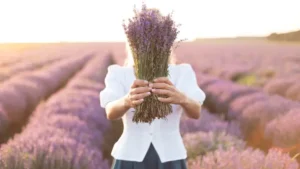
Not only growing your lavender farm is an important step but even selling them is crucial.
Some of the marketing avenues are:
- Farmers’ markets
- Local gift shops
- Garden centers
- Florists
- Your own online store
- Social media
- E-commerce sites
- Farms visits
- Workshops
- Festivals
Good quality pictures can do wonders in attracting buyers.
Common Mistakes to Avoid
The following mistakes often hinder beginners.
Don’t make the following mistakes:
- Planting lavender in soil that drains poorly
- Watering excessively
- Selecting lavender varieties that are not suitable for the farm
- Failure to conduct soil testing
- Planting lavender at very close intervals
- Not performing annual pruning
- Harvesting the flowers before maturity
- Reliance on only one means of earning income
Making these mistakes will only cost you time and money.
Can You Create a Mini Lavender Farm?
Yes.
Many farmers begin with:
- A backyard
- One-quarter acre
- Half an acre
- One acre
Starting with a small farm gives you the opportunity to:
- Master the growing skills
- Learn about your market’s needs
- Build your brand name
- Expand gradually
Starting with a small farm requires less capital.
Sustainability Suggestions for Growing Lavender
Growing lavender sustainably is beneficial in many ways.
You could consider:
- Using drip irrigation to save water
- Collection of rainwater
- Organic mulching
- Use of compost in improving your soil quality
- Planting pollinators
- Reducing chemical use
- Growing native flowering plants near the edges of the field for biodiversity
These practices might also attract environmentally conscious buyers.
Conclusion: How to Start a lavender Farm
Acquiring skills in how to establish a lavender farm is not difficult at all. It will be easy for you to succeed in starting the farm when you choose a good place, select the best types of lavender plants, prepare drained soil and ensure that the plants receive enough sunlight with proper irrigation. As you progress in your farm, you can add value to the produce by producing lavender oils, dried lavender, making homemade goods or doing agritourism.
With patience and proper care whether small backyard or commercial lavender farm, you are guaranteed success.
FAQs: How to Start a Lavender Farm
How long does it take for lavender to grow?
It takes about one year to establish lavender plants. Most of them start giving productive flowers from their second year onwards.
Does lavender need full sun?
Yes. Lavender needs at least 6-8 hours of sunshine every day.
Will lavender grow in pots?
Yes. Lavender grows well in pots provided that the potting soil drains properly and receives enough sunshine.
How often do you need to water lavender?
Watering needs to be regular for young plants but not so frequent for older ones, leaving the soil dry in between.
Is lavender cultivation ideal for novices?
Yes. Lavender is regarded as one of the easiest to grow perennials for beginners, provided that it is grown under proper climatic conditions and in well-drained soil.