Regenerative agriculture is a natural way of farming that goes beyond just sustaining the land—it actively heals and rebuilds degraded soil. Instead of relying on heavy tilling and synthetic chemicals, it uses natural methods to restore topsoil, boost biodiversity, and keep water clean.
For farmers, this approach is fast becoming the future of agriculture because it lowers everyday farm expenses, grows resilient crops, and protects farm profits for decades to come.
What is Regenerative Agriculture?
Regenerative agriculture is a soil-first farming approach that works with nature rather than fighting against it. While standard farming often strips nutrients out of the ground year after year, regenerative farming puts life back into the soil.
It focuses on five core principles:
- Minimizing Soil Disturbance: Practicing no-till or low-till farming so earthworms, fungi, and soil microbes stay undisturbed.
- Keeping Soil Covered: Using mulch or cover crops year-round to protect topsoil from harsh sun, wind, and rain erosion.
- Maintaining Living Roots: Keeping plants growing in the soil across all seasons to feed underground microbes continuously.
- Increasing Plant Diversity: Rotating different crops and planting mixed species instead of growing one single crop repeatedly.
- Integrating Livestock: Allowing animals to graze naturally on pasturelands, where their manure fertilizes the soil naturally.
Key Benefits of Regenerative Farming
Switching to regenerative methods improves the land, the local environment, and food quality:
- Rebuilds Rich Topsoil: Increases organic matter in the ground, turning tired dirt back into fertile, dark soil.
- Saves Water & Prevents Flooding: Healthy regenerative soil acts like a sponge, absorbing heavy rainfall and holding moisture during dry spells.
- Fights Climate Change: Captures carbon dioxide from the atmosphere and locks it safely underground in plant roots and soil matter.
- Grows Nutrient-Dense Food: Crops grown in living, mineral-rich soil produce healthier, better-tasting food without toxic chemical residues.
What are the Economic Benefits of Regenerative Agriculture?
Transitioning to regenerative farming delivers strong financial returns by cutting input expenses and protecting harvest yields.
1. Massive Savings on Fertilizers and Pesticides
Because healthy soil naturally supplies nutrients and supports beneficial insects that eat crop pests, farmers drastically reduce or eliminate spending on expensive synthetic fertilizers and chemical sprays.
2. Lower Fuel and Tractor Costs
Skipping heavy plowing (no-till farming) means tractors spend far less time driving across fields. This cuts diesel fuel bills, reduces tractor wear-and-tear, and saves labor hours.
3. Protection Against Extreme Weather Losses
Regenerative farms hold more soil moisture during droughts and drain excess water faster during heavy rains. Protecting crops from weather shocks keeps farm yields and annual income steady.
4. Extra Income from Carbon Credits & Premium Buyers
Farmers can earn extra revenue by selling verified soil carbon credits to companies. Additionally, food brands pay premium prices for crops grown using certified regenerative practices.
Conventional Farming vs. Regenerative Agriculture: Economic Snapshot
| Feature | Conventional Farming | Regenerative Agriculture | Economic Impact |
| Chemical & Fertilizer Use | High recurring annual spending | Minimal to zero external chemicals | Cuts major input expenses every season. |
| Tractor & Fuel Costs | High (Frequent plowing and spraying) | Low (No-till planting & natural cycles) | Saves diesel fuel and lowers machinery maintenance. |
| Weather Resilience | Vulnerable to droughts and soil erosion | High water retention & strong topsoil | Protects harvest volume and prevents crop losses. |
| Revenue Sources | Standard crop commodity sales | Crop sales + carbon credits + premium pricing | Diversifies farm income and increases net profit margins. |
What Challenges Does Regenerative Agriculture Face?
While the long-term rewards are clear, farmers face a few practical hurdles when making the switch:
- The Transition Learning Curve: Moving away from chemical routines requires learning new skills in cover cropping, soil biology, and multi-species rotation.
- Upfront Equipment Changes: Switching to no-till farming may require specialized seed drills or roller-crimpers to plant directly through cover crops.
- Patience During Soil Recovery: Heavily degraded land can take 2 to 4 years of regenerative care before natural soil fertility reaches peak productivity.
What is the Future of Regenerative Farming?
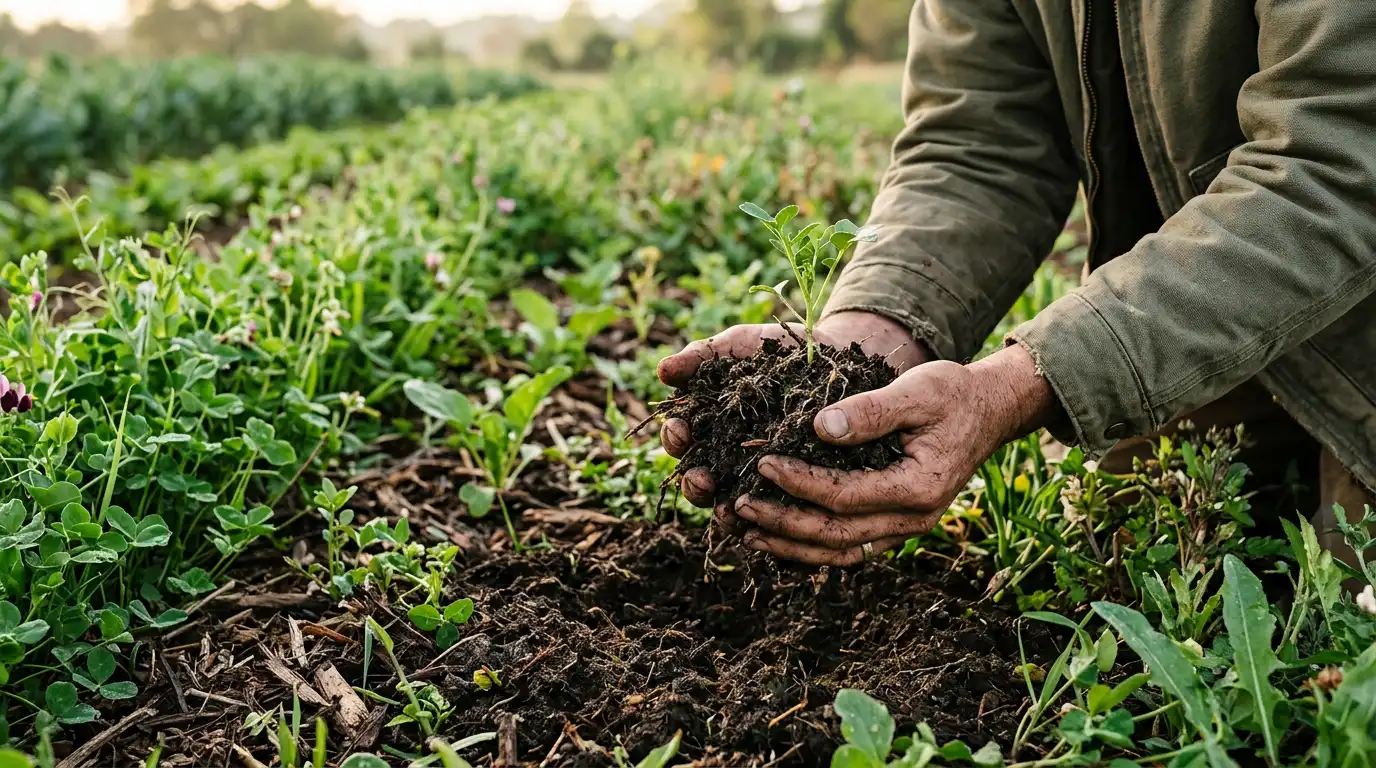
Regenerative agriculture is rapidly moving from small family farms to mainstream global food supply chains:
- Major Food Brand Partnerships: Global food and clothing companies are actively funding farmers to switch to regenerative practices to meet sustainability goals.
- Smart Soil Monitoring: Affordable soil sensors, drones, and mobile apps are making it easier for farmers to track soil carbon and microbial health in real time.
- Government Grants & Subsidies: Agricultural policies worldwide are shifting financial support toward soil health restoration, cover crop subsidies, and natural farming incentives.
FAQs about Regenerative Agriculture
Regenerative agriculture represents the future of sustainable and profitable farming. By focusing on living soil, reducing heavy tillage, and cutting reliance on synthetic chemicals, farmers can lower their operating costs, protect their land from extreme weather, and build a resilient, high-margin farming business for future generations.